
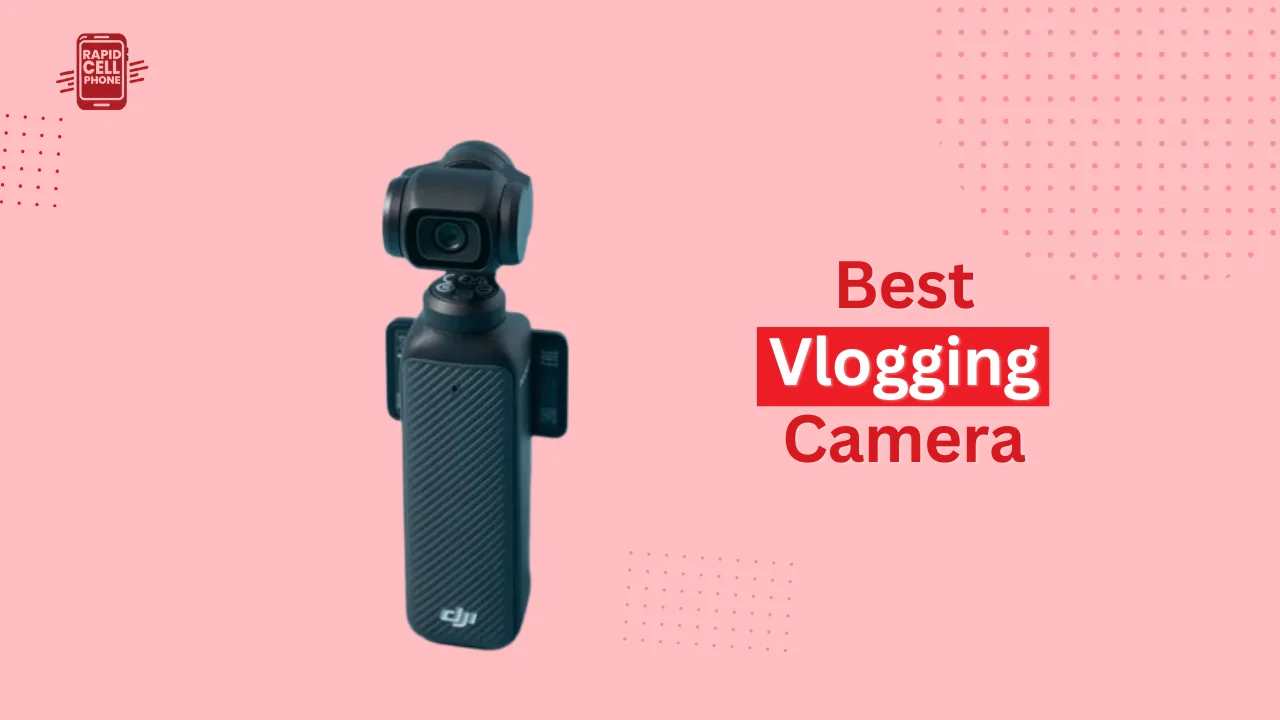

One of the most significant choices made by content creators in 2026 will be the selection of the best vlogging camera. As video content takes over the platforms, such as YouTube, Tik Tok, Instagram, and even blogs, the quality of your visuals directly influences the level of audience trust, interaction, and growth. An excellent vlogging camera is not only a video-recording device; it must aid your narration, stabilize your recording, and, above all, help your viewers to follow you rather than get distracted by the technical issues.
As a beginner who is starting his first vlog, a traveller who is recording moments around the world, or as a creator who is making a daily car vlog, you will have the knowledge of what really matters when choosing the right camera.
Table of Contents
What Makes a Camera the Best for Vlogging?
Not all cameras are vlogging cameras. When it comes to self-recorded video content, traditional photography-oriented cameras are not always effective. The best vlogging camera is designed to assist solo vloggers who film themselves in active settings.
Why Vlogging Cameras Are Different
Vlogging cameras are based on ease of use, quick autofocus, and live framing. In contrast to film and movie cameras that presuppose the existence of a camera operator, vlogging cameras are designed to support the needs of creators who must do framing during recording, make quick adjustments, and record clean audio without elaborate rigs.
Consistency is the most significant aspect. The vlogging camera should be able to ensure performance in various light environments, focus on faces, and provide stable footage when walking or driving.
Core Features to Look for in the Best Vlogging Camera
Autofocus Performance for Self-Recording
Vlogging cannot afford slow and inaccurate autofocus. Given that creators tend to be on the same side of the camera, powerful face and eye detectors will keep your footage clear regardless of whether you are close or far to the lens. Unreliable autofocus on cameras also leads to annoying focus hunting, making the video quality and viewership lower.
Flip-Out or Fully Articulated Screen
When recording, a front-facing screen will enable you to view your framing, focus, and exposure. It is a key characteristic of the best vlogging camera and is necessary to solo creators. In its absence proper composition is guesswork.
Video Stabilization for Smooth Footage
Stabilization is a significant part of vlogging, particularly handheld and travel videos. Electronic stabilization in combination with in-body image stabilization is used to create smooth footage without gimbals. It is especially significant among travel vloggers and car vloggers who have to operate under constant motion.
Audio Quality and Microphone Support
Good audio is also as significant as good visuals. Most of the built-in microphones have problems with background noise and wind, so the microphone input is a significant benefit. The most efficient vlogging cameras enable creators to improve audio quality with ease without intricate adapters.
Best Vlogging Camera for Overall Use
The most suitable overall vlogging cameras are those that are balanced in terms of performance, functionality, and flexibility. These cameras would be a good fit with creators who are filming a combination of indoor, outdoor, travel, and lifestyle content.
They mostly provide 4K video with minimal crops, good autofocus tracking, good stabilization, and good performance in low light. Although not the most affordable ones, they offer a long-term investment to creators, who desire professional quality, yet do not need to upgrade as often.
To creators who intend to expand their channels, a high-end overall vlogging camera can potentially be a cost- and time-saving solution in the long run.
Best Camera for Travel Vlogging
The best camera for travel vlogging should be small, portable and dependable in extreme conditions. Travel creators walk and shoot, visit busy locations, or shoot during bad weather and light conditions.
Why Travel Vlogging Requires Specialized Cameras
The travel vloggers depend on portability. The bulky camera is not conducive to impulsive filming, and it might serve as a weight on extended days. The battery life and the ability to charge it is also an issue because the power supply can be restricted.
When shooting on the run, stabilization is even more crucial. The finest travel vlogging cameras are capable of producing stable shots without the need of any external stabilizers, and they are suitable in individuals who prefer a simple and efficient camera.
Cameras that can equally capture bright daylight and low-light shots enable travel vloggers to maintain uniform quality in different locations, as well.
Best Budget Vlogging Camera for Beginners
To begin a vlog, you do not require costly equipment. The best budget vlogging camera has the key features and is affordable.
What Budget Vlogging Cameras Can Realistically Deliver
Low-cost vlogging cameras can be a great deal, with 4K video quality, flip screens, and autofocus that can be used at a reduced price. They might not be the highest quality models in low-light performance and advanced codecs, but they can certainly deliver a quality product in the form of YouTube and social media content.
In the case of beginners, simplicity is more important than complicated manual control. An excellent budget vlogging camera enables creators to concentrate on narratives instead of technical aspects.
These are the perfect cameras that a beginner creator should start with since they provide consistency, a better video quality compared to smartphones, and can be expanded on later once the audience expands.
Best Camera for Car Vlogging
Car vlogging has its own challenges that demand certain camera features. The most best car vlogging camera should be able to cope with vibrations, narrow corridors, and volatile lighting conditions.
Challenges of Filming Inside a Vehicle
Lighting may change drastically in a car because of shadows, tunnels, and sunlight. An excellent car vlogging camera will have the ability to adjust within a short period of time, ensuring the correct exposure and focus on the driver.
Wide-angle lenses come in handy particularly, because the lens gets the driver and the interior as well without straining body positions. Powerful stabilization keeps vibrations of the road down and makes the footage watchable and professional.
Small size is another factor to consider, and car mounts and dashboards lack space.
Understanding Different Camera Types for Vlogging
Mirrorless Cameras for Advanced Creators
Mirrorless cameras have better image quality, changeable lenses, and improved creativity. They are perfectly adapted to creators who desire cinematic images and intend to extend their installation in the future.
Mirrorless cameras are more adaptable and can be used in a variety of content types such as sit-down videos, travel vlogs and professional projects, although they are larger and costlier.
Compact Cameras Designed for Vloggers
Small vlogging cameras are tailored towards individual creators. Their values are portability, convenience, and powerful video-oriented functions. These cameras are the best compromise between quality and convenience to many vloggers.
Action Cameras for Movement-Based Content
Action cameras are superior in stabilization and life span. They work especially well in travel and car vlogging, where motion is incessant. Despite the small size of their sensors, they are remarkably successful in sunny conditions and in those cases that are dynamic.
How Accessories Improve the Vlogging Experience
The right accessories are beneficial to even the best vlogging camera. A special microphone makes a great contribution to the better quality of audio, particularly in the outdoor or noisy conditions. A small tripod or handheld grip enhances stability and comfort when working long hours on a film.
LED lights can be used at any time of day or night to keep the light constant, and more batteries and memory cards will allow continuous recording.
These accessories do not necessitate complicated setups, thus, improving the quality of production.
How to Choose the Best Vlogging Camera for Your Needs
The appropriate choice of camera is determined by your type of content, surroundings and long-term objectives. Travel vloggers are more concerned with portability and stabilization, whereas studio creators can be more concerned with image quality and lens choices.
Budget also plays a key role. You should select a camera that can support your present needs rather than spending a lot of money on features that you are never going to utilize.
Consider your frequency of filming, your filming location, and the level of effort you would like to expend in setting up and editing. The ideal camera is one that will accommodate consistency and creativity.
Final Thoughts on Choosing the Best Vlogging Camera
The best vlogging camera is finding the camera that fits your content style, setting, and objectives. You might require the best camera for travel vlogging, the best car vlogging camera, or the best budget vlogging camera, but with the modern options, you can record better content regardless of your income level.
The right camera helps to enhance your creativity, develop trust in the audience, and make your story shine. Concentrate on consistency, narration, and development, and the appropriate camera will be attained naturally.
FAQs About the Best Vlogging Camera
What is the best vlogging camera for beginners?
The ideal entry-level vlogging camera has the following features: 4K video recording, solid autofocus, a flip-out screen, and easy controls so creators can focus on the content instead of the settings.
Is 4K necessary for vlogging?
4K is optional but offers clarity, future-proofing, and the ability to crop during editing.
Can a smartphone replace a vlogging camera?
Smart phones can be used by beginners but creative control, camera stabilization and sound are more effective with dedicated cameras.
What is the best budget vlogging camera?
The optimal budget vlogging camera is one that balances price with the necessary features such as stabilization, flip screens, and the presence of the microphone.
0 Comments