
The iPod Touch is one of Apple Inc.’s most significant mobile devices. Conceived as a hybrid between an MP3 player and a smartphone, it brought the world of apps, web browsing and gaming to a smaller, more accessible and affordable package. Despite being discontinued, the iPod Touch remains a viable option for those looking for a wifi-only, no-distraction entertainment device.
In this comprehensive article, we’ll delve into its design, features, the popularity of the colored iPod Touch, and its relevance in 2026.
Table of Contents
What is an iPod Touch?
The iPod Touch is a portable media player running Apple’s iOS operating system. It lacks cellular connectivity found in the iPhone and is solely reliant on Wi-Fi. This feature makes it perfect for those looking for a device to play apps, music and media, without the distractions and commitments of a phone.
Since its initial release, the iPod Touch has been marketed as a multimedia device. It provided access to the internet, the ability to download applications, play games and access other digital media in a compact form. As time went by, it became particularly popular with the young, travellers and so-called second device entertainment buyers.
History and Evolution of iPod Touch
Early Generations: The Beginning of Smart Media Devices
The iPod Touch was launched in 2007, heralding a new era in mobile media devices. It featured the same multi-touch technology as the original iPhones, providing a user-friendly and contemporary feel. With the majority of MP3 players relying on buttons and tiny displays, the iPod Touch seemed futuristic.
The first iPod Touch models paved the way for a new generation of devices that could play music, run apps and connect to the internet. With the App Store, it became a portable computer, too.
Mid Generations: Performance and Personalization
As Apple continued to develop the iPod Touch, performance, display and camera improvements were more apparent. This period also saw Apple offer more color options, resulting in the popular iPod Touch in a range of colors.
This personalisation strategy was deliberate. With brighter colours, Apple was able to target younger consumers and those who cared about aesthetics.
Colored iPod Touch Models
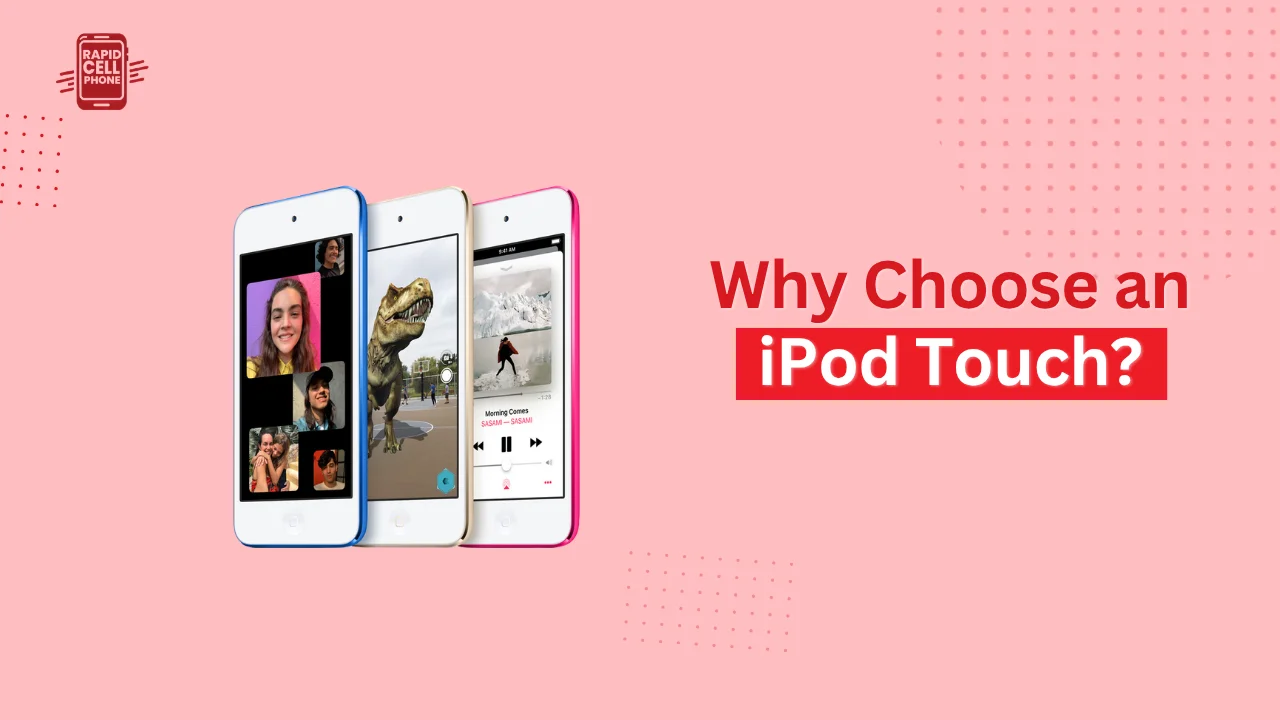
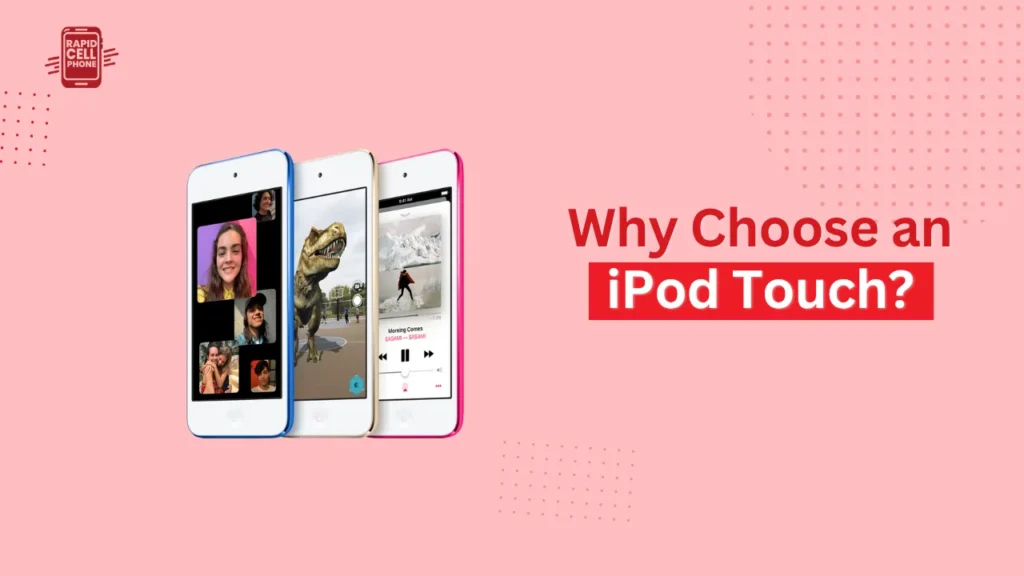
Variations in color became a distinctive feature of the subsequent iPod Touch Models. Rather than the standard black or white, there were now options like blue, pink, gold, silver and the exclusive PRODUCT(RED).
These different color options went beyond looks. It enabled users to personalize their gadgets, and made the iPod Touch more a fashion statement than a simple device. This approach was in line with Apple’s design ethos of marrying utility and aesthetics.
Final Generation: Power Meets Simplicity
The last model of the iPod Touch, launched in 2019, was equipped with the A10 Fusion chip, which significantly improved its speed. This allowed it to run the latest applications and games with improved performance, keeping it competitive in a rapidly changing smartphone landscape.
Available in capacities of up to 256GB, it allowed users to store large music, video and app libraries without storage limitations. Despite the improvements, Apple maintained the same design, prioritising familiarity and user-friendly interface.
Discontinuation: The End of an Era
Apple officially ended production of the iPod Touch in 2022, marking the end of the iPod era. The move was a culmination of a shift in the market, with smartphones taking on the role of dedicated media players. With the rise of streaming, cloud storage and all-in-one smartphones, the demand for the iPod Touch diminished.
But its impact was substantial. It popularised the iOS operating system and paved the way for today’s mobile devices.
Key Features of iPod Touch
Design and Display
The iPod Touch is slim and lightweight, ensuring portability. The 4-inch Retina display offers high-resolution images and vivid colours, ideal for video viewing, photo viewing, and gaming.
This makes it a portable device and ideal for carrying in the pocket.
Performance and Software Experience
The iPod Touch runs iOS and offers a wide range of apps. It offers a range of apps for different purposes, allowing users to tailor their device to their preferences.
Although the last iteration of the iPod Touch comes with a powerful processor, it is recommended for simple tasks like streaming, gaming and social networking, but not for heavy multitasking or complex apps.
Entertainment Capabilities
Entertainment has always been at the core of the iPod Touch experience. It allows users to stream music, listen to podcasts, watch videos, and play a wide variety of games.
For many users, it serves as a dedicated media hub, free from interruptions like phone calls or constant notifications. This focused usage is one of its strongest advantages even today.
Connectivity and Limitations
The iPod Touch is connected to the internet via Wi-Fi and Bluetooth. This restricts its capabilities compared to smartphones, but also its role. It is an internet device, rather than a constant connection device.
This makes it suitable for parents looking for children’s media devices with access to apps but without the full functionality of a smartphone.
Camera and Multimedia Features
The iPod Touch has a front and back camera, allowing users to take photos, record videos and make FaceTime calls. While not on par with today’s smartphone cameras, these capabilities are adequate for basic photography and messaging.
iPod Touch vs iPhone: Understanding the Difference
The iPod Touch vs iPhone comparison shows their differences. Although they run the same operating system and have the same user interface, their intended uses are very different.
The iPhone is a multifunctional communication tool with a phone, powerful cameras and a faster processor. On the other hand, the iPod Touch is geared towards media consumption and simplicity, with a more curated and affordable option.
The iPod Touch offers a simpler experience without the need for unnecessary features for users who don’t need to make calls or access mobile data.
Storage Options and Practical Usage
The last iteration of the iPod Touch came in various storage capacities, catering to different user preferences. Smaller sizes are ideal for basic use, and larger capacities are needed for large media libraries.
This allowed the device to cater to a range of users, from light users to media enthusiasts.
Setting Up and Using iPod Touch
The iPod Touch is easy to set up, mirroring the process of other Apple devices. Users turn it on, connect to Wi-Fi, enter their Apple ID and start installing apps.
The user-friendly interface allows easy exploration, even for new users. The device is easy to set up, manage and update, enhancing the overall experience.
Advantages and Limitations
Strengths of the iPod Touch
The iPod Touch is primarily known for its simplicity. It provides a lightweight and cheap way to access the Apple ecosystem. It’s pocket-sized nature and emphasis on entertainment make it suitable for certain applications, such as a media device or use by children.
Limitations to Consider
The iPod Touch has its limitations. Without mobile phone connectivity, its features are limited, and its end of life means it won’t be supported with future software. These are key considerations for anyone considering buying it now.
Is iPod Touch Still Worth Buying in 2026?
By 2026, the usefulness of the iPod Touch will vary based on individual needs. If you want a basic device primarily for consuming music, apps and entertainment offline, it may still be worth it.
But for those who need more features, regular updates, and future compatibility, a more recent device like a smartphone or tablet is a superior choice. The iPod Touch now serves a niche market, with only collectors, minimalists and specific demographics as the target audience.
Best Alternatives to iPod Touch
With the advancement of technology, there are some alternatives that have come out. Affordable smartphones offer a more all-encompassing package, and tablets offer larger screens and better performance.
Such alternatives often have extended software lifespans and can be more versatile, making them better fit for most users.
Final Verdict
The iPod Touch is a testament to innovation and simplicity. While it’s no longer in production, it remains relevant for certain users who value entertainment and simplicity. Its vibrant colours, simplicity and integration with the Apple ecosystem guarantee it will be remembered as an innovative device.
Frequently Asked Questions
What is the primary use of an iPod Touch?
The iPod Touch is primarily used for entertainment, such as music, video, apps and games, in a Wi-Fi network.
Does the iPod Touch still support modern apps?
It supports a range of apps, but only those supported by the particular version of iOS that the iPod Touch can run. Some recent apps may not work.
Can you still purchase a coloured iPod Touch?
Yes, but only from unofficial retailers or in the second hand market, as Apple has discontinued its sale.
What makes the iPod Touch unique today?
It stands out for its simplicity, mobility and entertainment without phone distractions in a world of smartphones.
0 Comments